

Laboratory Equipment Configuration: A Practical Guide to Planning, Selecting, and Integrating Laboratory Instruments
Laboratory equipment configuration is the process of selecting, arranging, and integrating laboratory instruments, supporting systems, furniture, and utilities according to specific testing, research, and production requirements. A well-planned configuration helps laboratories use space efficiently, maintain reliable testing conditions, reduce equipment compatibility issues, and prepare for future expansion.
For a new laboratory or an existing facility undergoing an upgrade, equipment configuration should begin with the intended applications and required testing methods—not with a list of instruments. This guide explains how to assess laboratory needs, select suitable equipment, plan utilities and layouts, coordinate installation, and verify system readiness before routine operation.
Quick Answer: What Is Laboratory Equipment Configuration?
Laboratory equipment configuration is the systematic process of determining which instruments a laboratory needs, how they should be arranged, and how they will connect with utilities, sample workflows, safety systems, and data infrastructure. The configuration should reflect testing objectives, sample characteristics, required analytical performance, available space, regulatory requirements, and long-term operating needs.
Key Takeaways
-
Start with testing requirements: Define the samples, analytical methods, throughput, and performance criteria before selecting instruments.
-
Build an equipment list around workflows: Consider the complete process, from sample receipt and preparation to measurement, data review, and waste handling.
-
Check infrastructure early: Confirm electrical capacity, ventilation, water, gases, drainage, environmental conditions, and network requirements.
-
Evaluate total ownership costs: Include installation, consumables, calibration, maintenance, training, and service availability.
-
Coordinate equipment and laboratory design: Instrument dimensions, access clearances, exhaust connections, and service requirements can affect the laboratory layout.
-
Verify readiness before operation: Use appropriate installation, operational, and performance checks based on the instrument and its intended use.
1. Why Is Laboratory Equipment Configuration Important?
Laboratory equipment configuration directly affects how efficiently a laboratory performs its daily work. Selecting individual instruments without considering the entire laboratory can result in duplicated capabilities, unsuitable equipment, insufficient workspace, or expensive infrastructure changes.
A coordinated configuration helps address several common challenges.
1.1 Matching Equipment to Testing Requirements
Different laboratories have different objectives. A battery materials laboratory may require particle size analysis, surface area measurement, chemical composition testing, and electrochemical evaluation. A pharmaceutical laboratory may prioritize analytical chromatography, dissolution testing, sample preparation, and controlled storage.
The equipment list should therefore follow the laboratory's actual testing scope.
1.2 Improving Workflow Efficiency
A logical equipment arrangement reduces unnecessary sample movement and makes it easier for laboratory personnel to complete testing procedures.
For example, a typical analytical workflow may include:
-
Sample receipt and identification.
-
Sample preparation and pretreatment.
-
Instrumental analysis.
-
Data processing and review.
-
Sample storage or disposal.
The laboratory layout should support this sequence wherever practical while maintaining appropriate separation between incompatible activities.
1.3 Avoiding Infrastructure and Compatibility Problems
An instrument may meet analytical requirements but still be unsuitable for a particular location because of its electrical load, heat output, vibration sensitivity, exhaust requirements, or environmental conditions.
These factors should be reviewed before purchasing equipment, particularly when instruments require dedicated utilities or specialized installation.
1.4 Supporting Future Expansion
A laboratory may add new testing methods, increase sample throughput, or introduce automated workflows as its research and production needs evolve.
Planning for spare utility connections, accessible service routes, and appropriate expansion space can reduce the need for major redesign later.
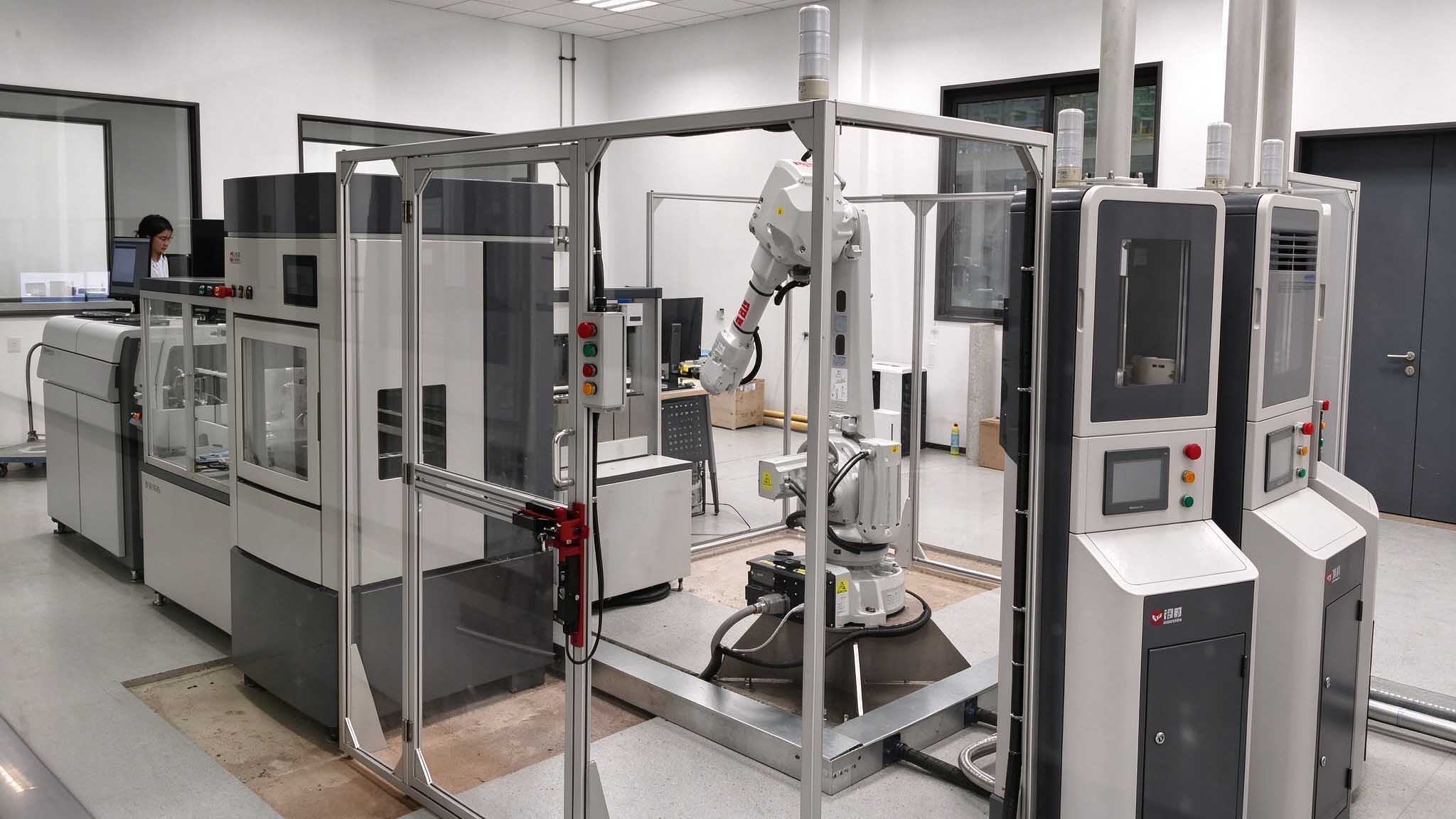
2. How to Configure Laboratory Equipment Step by Step
A structured planning process helps laboratory managers, engineers, and procurement teams make decisions based on technical requirements rather than equipment availability alone.
Step 1: Define the Laboratory's Purpose and Scope
Start by documenting what the laboratory is expected to do.
Important questions include:
-
What materials, products, or samples will be tested?
-
Which analytical methods are required?
-
What testing standards or internal procedures must be followed?
-
How many samples will be processed per day or shift?
-
What level of analytical accuracy and repeatability is required?
-
Will the laboratory support research and development, quality control, production, or third-party testing?
-
Are there specific environmental, safety, or accreditation requirements?
These answers establish the technical basis for equipment selection.
For example, a materials research laboratory may need flexible analytical capabilities for experimental samples, while a production quality-control laboratory may prioritize repeatability, throughput, standardized procedures, and traceable results.
Step 2: Map the Complete Testing Workflow
Identify the steps involved in processing a representative sample, from arrival to final reporting.
For each step, determine whether it requires a dedicated instrument, a workstation, a controlled environment, or a supporting utility.
A workflow map can reveal missing equipment that may not be obvious when considering the primary analytical instrument alone.
For example, a particle characterization workflow may require sample preparation tools, a particle size analyzer, suitable dispersion equipment, reference materials, and a workstation for data analysis. The exact configuration depends on the sample type and measurement method.
Step 3: Develop a Laboratory Equipment List
Create an equipment schedule that connects each instrument to a specific task.
| Equipment category | Typical examples | Main configuration considerations |
|---|---|---|
| Analytical instruments | HPLC, GC, ICP-OES, ICP-MS | Analytical method, sensitivity, sample matrix, utilities |
| Physical characterization | Particle size analyzer, BET surface area analyzer, XRD | Sample properties, measurement range, environmental conditions |
| Sample preparation | Balances, grinders, digestion systems, centrifuges | Sample throughput, contamination control, safety |
| Environmental control | Fume hoods, ventilation systems, environmental chambers | Hazard assessment, airflow, temperature and humidity |
| Sample storage | Refrigerators, freezers, chemical storage cabinets | Storage conditions, capacity, segregation requirements |
| Laboratory support | Laboratory benches, sinks, water purification systems | Layout, load capacity, service connections |
| Automation and data systems | Autosamplers, robotic handling, LIMS | Instrument compatibility, workflow, data integrity |
This table is a planning framework, not a universal equipment list. The final selection should be based on the laboratory's actual scope and the performance specifications of the proposed instruments.
Step 4: Establish Instrument Specifications
Once the preliminary equipment list is available, define the technical requirements for each instrument.
Depending on the application, these may include:
-
Measurement range and analytical sensitivity.
-
Accuracy, precision, and repeatability.
-
Sample type, sample size, and sample throughput.
-
Required analytical methods and standards.
-
Software functionality and data export options.
-
Electrical and environmental requirements.
-
Calibration and maintenance needs.
-
Installation, training, and service requirements.
Avoid selecting equipment solely because it has more features or a higher nominal specification. The instrument should meet the required method and operating conditions without introducing unnecessary complexity.
Step 5: Check Utilities and Site Conditions
Infrastructure requirements should be confirmed before finalizing equipment locations.
Review the following systems:
Electrical supply: Voltage, frequency, current capacity, grounding, and any manufacturer-specified power-quality requirements.
Ventilation and exhaust: Local exhaust, fume extraction, heat removal, and appropriate discharge arrangements where required.
Water and gases: Water purity, water pressure, gas type, gas purity, and connection requirements.
Drainage and waste: Chemical compatibility, waste segregation, and suitable collection or treatment arrangements.
Environmental conditions: Temperature, humidity, dust, vibration, and other conditions that may influence measurement performance.
Network and data: Ethernet connections, software requirements, data storage, access controls, and integration with laboratory information systems.
Manufacturer installation documentation should be used to confirm the requirements of each proposed instrument. Infrastructure assumptions should not be treated as final specifications.
Step 6: Plan the Laboratory Layout
The equipment schedule and utility requirements should inform the laboratory layout.
Consider the following factors:
-
Instrument footprint and operating clearance.
-
Access for installation, maintenance, and replacement.
-
Bench loading capacity and equipment stability.
-
Separation of incompatible processes.
-
Sample movement and personnel circulation.
-
Access to emergency and safety equipment.
-
Cable routing, piping, and service connections.
-
Space for future equipment or workflow changes.
For example, a vibration-sensitive analytical instrument may require a location away from equipment that generates substantial mechanical vibration. Instruments that generate heat or require exhaust connections may need additional space and dedicated services.
The layout should also reflect the laboratory's risk assessment and applicable local requirements. There is no single layout that is suitable for every laboratory.
Step 7: Evaluate Suppliers and Total Ownership Costs
Equipment configuration involves more than comparing purchase quotations.
A supplier evaluation should consider technical suitability, installation capability, documentation, training, warranty terms, maintenance support, consumable availability, and expected service life.
Total ownership cost may include:
| Cost component | What to evaluate |
|---|---|
| Equipment acquisition | Instrument, accessories, software, and required options |
| Infrastructure | Electrical work, exhaust, gas lines, water, and other utilities |
| Installation | Delivery, positioning, connection, and commissioning |
| Operation | Consumables, reagents, gases, and routine supplies |
| Maintenance | Preventive maintenance, spare parts, and service visits |
| Quality assurance | Calibration, reference materials, and verification |
| Training | Operator training and method development |
| Future changes | Upgrades, additional modules, and capacity expansion |
The least expensive instrument may not be the most economical option over its operating life. Compare alternatives against the laboratory's actual workload, performance requirements, and available support.
Step 8: Coordinate Procurement, Installation, and Commissioning
Before equipment arrives, confirm delivery routes, access dimensions, installation responsibilities, utility readiness, and required documentation.
After installation, perform the checks appropriate to the instrument and intended application.
These may include installation verification, operational checks, calibration, method verification, and performance qualification where required by the applicable quality system.
The laboratory should also ensure that operators receive appropriate training and that equipment records, maintenance schedules, and operating procedures are available before routine use.
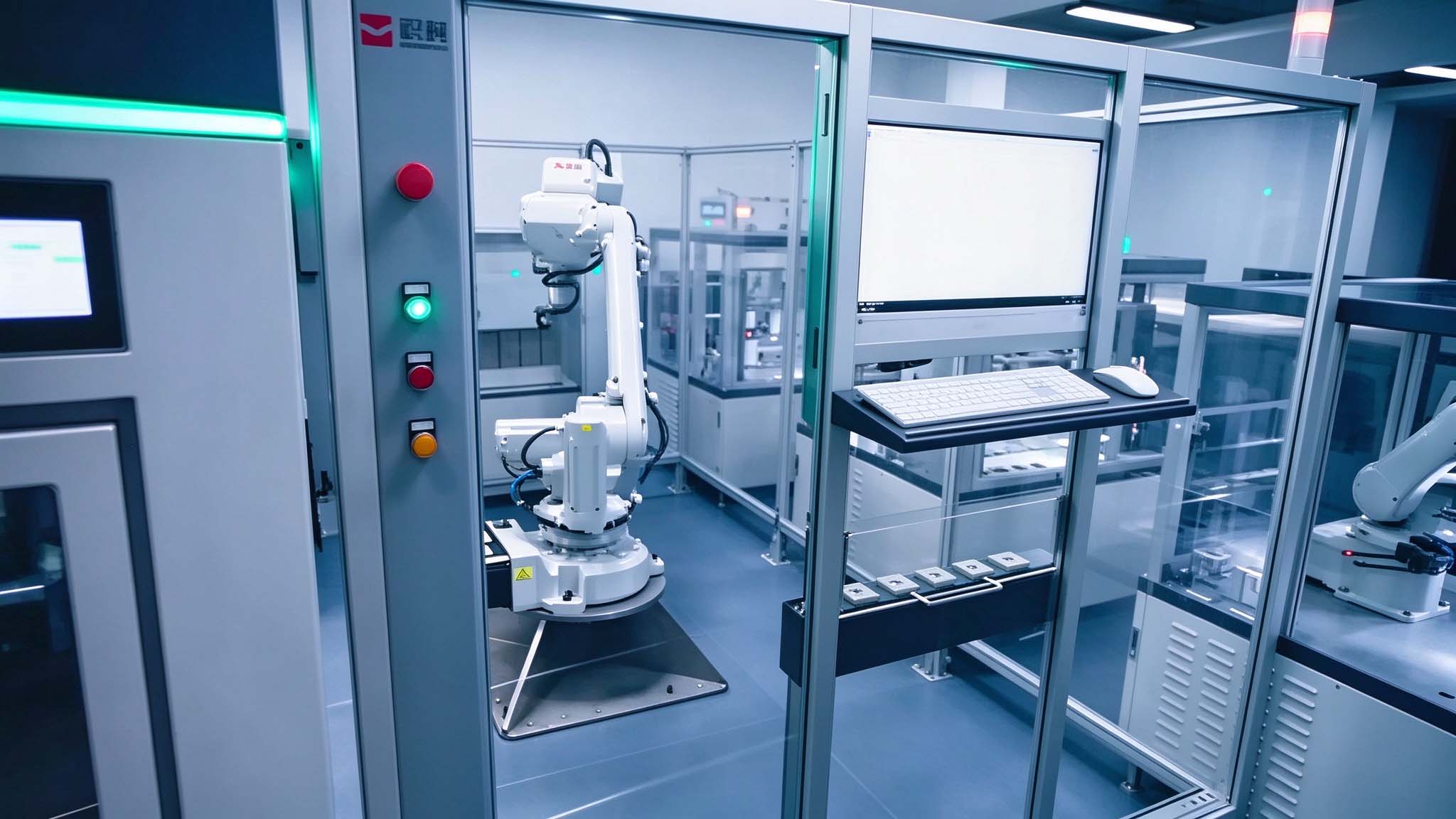
3. How Does Laboratory Equipment Configuration Differ by Application?
Equipment requirements vary significantly by industry and testing objective. A configuration designed for routine quality control may not be suitable for exploratory research or specialized materials analysis.
3.1 Lithium Battery and New Energy Laboratories
Lithium battery laboratories may require equipment for electrode preparation, material characterization, electrochemical testing, and environmental evaluation.
Depending on the research scope, the equipment list may include:
-
Particle size analyzers.
-
BET surface area and porosity analyzers.
-
X-ray diffraction instruments.
-
Chemical composition analysis systems.
-
Battery cyclers and electrochemical workstations.
-
Glove boxes or controlled-atmosphere equipment.
-
Electrode preparation and cell assembly equipment.
Not every battery laboratory needs every instrument. The selection depends on whether the facility focuses on raw material characterization, electrode development, cell assembly, electrochemical performance, or failure analysis.
Specialized battery work also requires appropriate controls for reactive materials, moisture-sensitive processes, electrical hazards, and battery-related fire risks.
3.2 Chemical and Pharmaceutical Laboratories
Chemical and pharmaceutical laboratories often require analytical instruments, sample preparation equipment, controlled storage, and suitable laboratory ventilation.
Potential equipment includes HPLC, GC, UV-Vis spectrophotometers, balances, dissolution testers, and other instruments selected according to the analytical methods.
Where regulated testing is involved, equipment qualification, calibration, data integrity, traceability, and documented procedures should be considered during configuration rather than added after installation.
3.3 Environmental Testing Laboratories
Environmental laboratories may analyze water, soil, air, and other environmental samples.
Depending on the testing scope, equipment may include ICP-OES or ICP-MS systems, ion chromatographs, gas chromatographs, UV-Vis instruments, sample digestion systems, and specialized sample preparation equipment.
Sample preservation, contamination control, detection limits, throughput, and applicable testing methods should guide the configuration.
3.4 Materials Research Laboratories
Materials laboratories may require physical characterization, chemical analysis, thermal analysis, and microscopy.
Typical options include laser particle size analyzers, BET analyzers, XRD instruments, thermal analyzers, and electron microscopy systems.
Because materials vary widely, equipment selection should be based on the properties being investigated, such as particle size distribution, surface area, crystal structure, thermal behavior, or elemental composition.
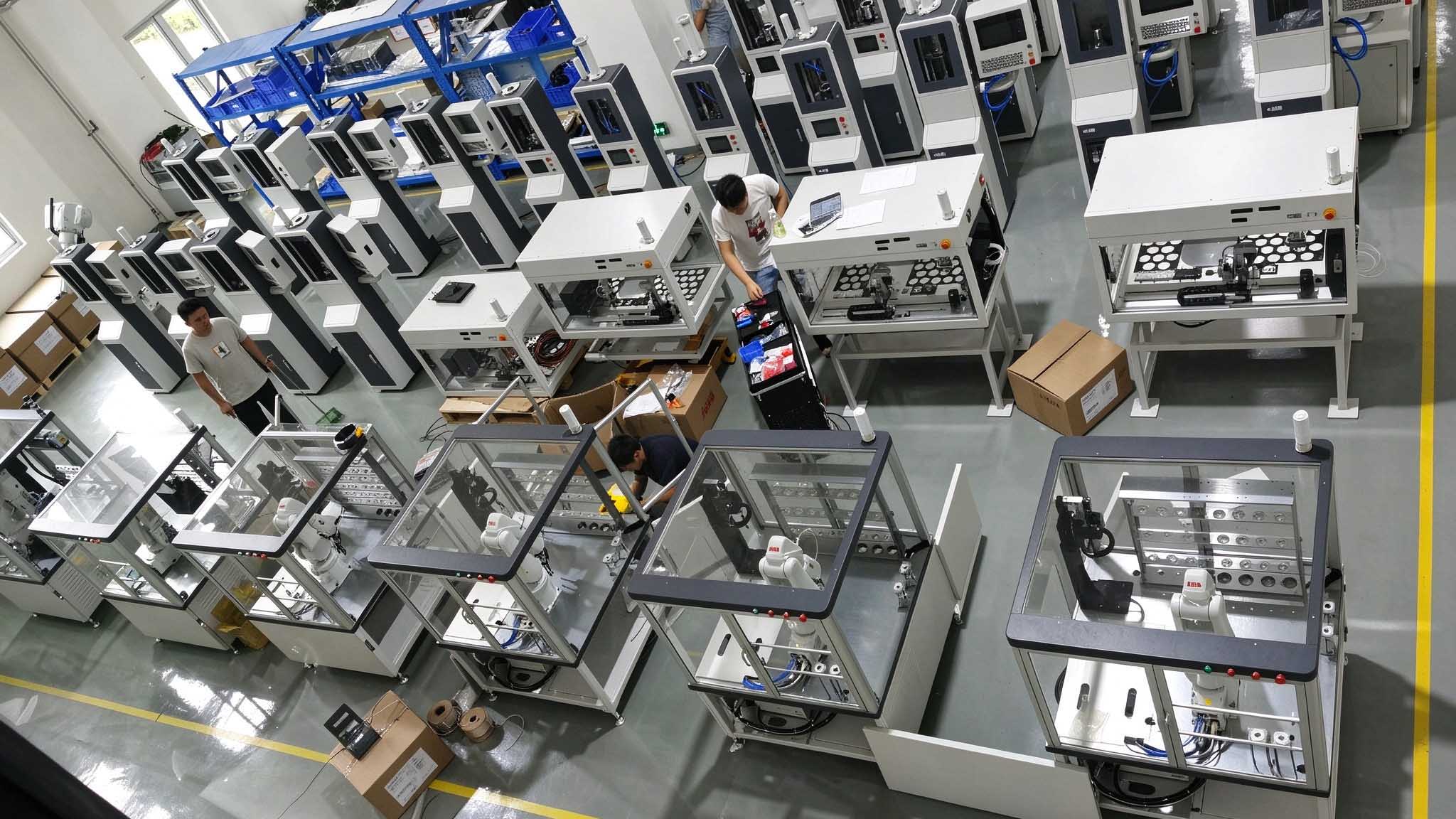
4. Common Laboratory Equipment Configuration Mistakes
Even a technically sound instrument can become a poor investment if the overall configuration is not planned carefully.
Selecting Instruments Before Defining Requirements
Starting with a preferred brand or instrument model can lead to unnecessary features or missing capabilities. Define the analytical requirements first, then compare suitable options.
Ignoring Sample Preparation
The primary instrument is only one part of the testing process. Inadequate sample preparation can affect repeatability, measurement quality, and throughput.
Underestimating Utility Requirements
Late discovery of insufficient electrical capacity, unsuitable ventilation, or missing service connections can delay installation and increase project complexity.
Overlooking Installation and Maintenance Access
Equipment should be positioned so that technicians can access service panels, replace components, and perform routine maintenance safely.
Treating All Laboratories the Same
A research laboratory, production quality-control facility, and third-party testing laboratory may use similar instruments but have different requirements for flexibility, throughput, traceability, and compliance.
Failing to Plan Data Integration
Automated instruments and laboratory information systems may use different communication protocols, data formats, and software interfaces. Integration requirements should be checked before procurement if centralized data management is important.
Ignoring Future Capacity
A layout that leaves no room for additional instruments or utility connections may limit future expansion. Expansion planning should be balanced against the available floor area and project budget.
5. Laboratory Equipment Configuration Checklist
Use the following checklist when preparing a new laboratory or upgrading an existing facility.
| Planning item | Key question |
|---|---|
| Testing scope | Are all required analytical methods documented? |
| Sample workflow | Have sample preparation, measurement, and reporting steps been mapped? |
| Equipment schedule | Does every proposed instrument have a defined purpose? |
| Specifications | Are performance requirements documented and comparable? |
| Utilities | Have power, ventilation, water, gas, and network requirements been checked? |
| Layout | Are access, circulation, safety, and maintenance clearances adequate? |
| Safety | Have chemical, electrical, mechanical, and process hazards been assessed? |
| Procurement | Have suppliers, service support, documentation, and lifecycle costs been evaluated? |
| Installation | Are delivery routes, installation conditions, and responsibilities confirmed? |
| Verification | Are acceptance criteria, calibration, and performance checks defined? |
| Training | Are operators prepared to use the equipment correctly? |
| Documentation | Are manuals, maintenance records, procedures, and equipment records available? |
| Future expansion | Can the laboratory accommodate foreseeable changes? |
A completed checklist provides a practical basis for discussions among laboratory users, facility engineers, equipment suppliers, and project managers.
6. Should You Configure Laboratory Equipment Individually or Through a Turnkey Solution?
The appropriate approach depends on the project's complexity, the laboratory team's experience, and the number of systems that must be coordinated.
| Factor | Individual equipment procurement | Integrated laboratory solution |
|---|---|---|
| Procurement | Instruments purchased separately | Equipment coordinated with broader project requirements |
| Design coordination | Managed by the laboratory or separate contractors | Can be coordinated across design and engineering teams |
| Utility planning | Requires cross-supplier coordination | Can be integrated into overall infrastructure planning |
| Installation | Responsibilities may be divided among suppliers | Responsibilities can be coordinated under an agreed project scope |
| Project management | More internal coordination may be required | A defined project management structure may simplify coordination |
| Flexibility | Useful for phased purchases and specialized requirements | Useful when multiple systems must be delivered as one coordinated project |
An integrated approach does not automatically guarantee lower costs or better performance. The contract should clearly define the scope, equipment specifications, interfaces, installation responsibilities, acceptance criteria, and after-sales support.
For laboratories involving construction, furniture, multiple instruments, and automation, early coordination can reduce conflicts between equipment and infrastructure requirements.
7. How Zhejiang Beacon Supports Laboratory Equipment Configuration
Zhejiang Beacon Instrument Co., Ltd. provides laboratory-related services that include laboratory design and planning, engineering construction, customized laboratory furniture, laboratory instrument and equipment configuration, automation systems, and technical support.
For projects requiring multiple instruments and supporting systems, equipment configuration should be considered alongside the laboratory's layout, utility planning, operational workflow, and future development needs.
A coordinated planning process can help project teams identify equipment requirements earlier, clarify installation conditions, and define the interfaces between instruments and other laboratory systems.
To prepare an equipment configuration proposal, the project team should ideally provide:
-
Laboratory type and intended applications.
-
Testing methods and sample characteristics.
-
Expected sample throughput.
-
Available floor area and building conditions.
-
Required analytical performance.
-
Existing instruments and infrastructure.
-
Safety or regulatory requirements.
-
Expected expansion plans.
These details help establish a more useful starting point for laboratory planning and equipment selection.
Learn more about Zhejiang Beacon's laboratory services through the official website.
8. Frequently Asked Questions About Laboratory Equipment Configuration
What is laboratory equipment configuration?
Laboratory equipment configuration is the process of identifying, selecting, arranging, and integrating instruments and supporting systems according to a laboratory's testing objectives, workflow, space, utilities, and operating requirements.
How do you prepare a laboratory equipment list?
Start by defining the laboratory's applications, sample types, testing methods, throughput, and required analytical performance. Map the workflow, identify equipment for each process step, and then confirm specifications, utilities, space, safety requirements, and supporting accessories.
What factors should be considered when selecting laboratory equipment?
The main factors include analytical performance, sample compatibility, throughput, applicable testing methods, installation requirements, utility availability, software compatibility, maintenance, calibration, service support, and total ownership cost.
Why is laboratory layout important for equipment configuration?
The layout determines whether instruments have adequate space, safe access, appropriate environmental conditions, and suitable utility connections. It also influences sample movement, maintenance access, and the potential for future expansion.
What is the difference between laboratory equipment configuration and laboratory design?
Laboratory equipment configuration focuses on the selection, arrangement, specifications, and integration of instruments and supporting systems. Laboratory design covers the broader facility, including room layout, building services, ventilation, furniture, safety provisions, and workflow. The two activities should be coordinated.
When should laboratory equipment be selected during a construction project?
Equipment requirements should be established during the early planning and design stages. Preliminary specifications can guide layout and utility planning, while final instrument selections should be confirmed early enough to coordinate procurement, installation, and commissioning.
How can laboratory equipment configuration reduce project delays?
Early confirmation of instrument dimensions, utilities, delivery requirements, installation conditions, and supplier responsibilities helps identify potential conflicts before equipment arrives. A coordinated schedule also makes it easier to prepare the site and organize commissioning.
Can laboratory equipment configuration support future expansion?
Yes. Expansion can be considered by evaluating spare space, utility capacity, service access, modular equipment options, and potential changes in sample throughput. The extent of preparation should reflect realistic future requirements.
Conclusion
Effective laboratory equipment configuration starts with the work the laboratory needs to perform. By defining testing requirements, mapping workflows, preparing a detailed equipment schedule, verifying infrastructure, evaluating suppliers, and planning installation and commissioning, laboratory teams can make better-informed decisions and avoid preventable configuration problems.
For new laboratories and complex upgrades, coordinating equipment selection with laboratory design, engineering, furniture, and automation planning is particularly important. A systematic approach provides a clearer basis for procurement, installation, operational readiness, and future expansion.
About Zhejiang Beacon Instrument
Zhejiang Beacon Instrument Co., Ltd., established in 2013 and headquartered in Ningbo, Zhejiang, China, provides integrated laboratory solutions for industrial, research, and testing applications. Its services cover laboratory planning and design, engineering and construction, customized laboratory furniture, analytical instrument configuration, laboratory automation, and supporting systems.
Beacon's EPC-oriented approach brings together laboratory infrastructure, equipment selection, and workflow requirements within a coordinated project framework. Its published project portfolio includes laboratory development and equipment integration for new-energy batteries, advanced materials, and industrial testing applications. Depending on project requirements, laboratory planning may address instrument placement, utilities, ventilation, sample workflows, and future expansion.
By coordinating design, engineering, equipment configuration, and implementation, Beacon helps customers develop laboratory environments suited to their technical objectives and operational requirements. Specific equipment configurations and engineering specifications should be determined according to the intended application, site conditions, safety requirements, and applicable standards.


